Hey there, pool owners and pressure washer newbies! Let’s cut to the chase—if your pool deck’s been looking a little worse for wear lately, covered in that sticky green algae, caked-on suntan lotion streaks, or even leftover leaf debris from last month’s storm, a high pressure washer is basically your deck’s BFF. I’ve been selling these bad boys for years now, and let me tell you, cleaning a pool deck with one isn’t just about cranking the pressure to max and going to town. Do that, and you’ll end up scratching your nice concrete, gouging the stone, or even getting that weird uneven discoloration that makes your deck look worse than before. High Pressure Washer
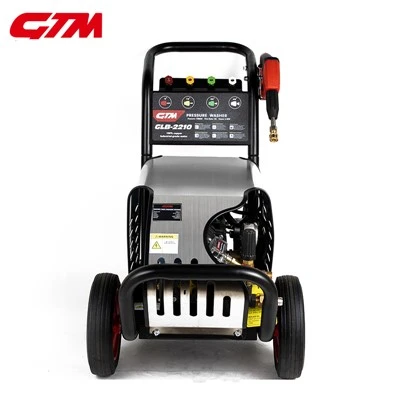
First off, let’s get one thing straight: I’m not here to sell you a $1,000 professional unit that you’ll only use twice a year (unless you want to, obvs). I’m here to break this down like we’re sitting on your patio drinking iced tea, no fancy jargon, no overcomplicating. If you’ve got a basic electric pressure washer that puts out 1,500–2,500 PSI (pounds per square inch) and at least 1.2 GPM (gallons per minute), that’s all you need for most pool decks. Save the 3,000+ PSI gas rig for driveway oil stains or the side of your house—pool decks, especially concrete or natural stone, don’t play well with extreme pressure. That’s a tip I give every customer who comes in asking for a “pool deck special” and ignores my warning to skip the heavy-duty gear.
Now, let’s talk prep, because this is the part most people skip and end up regretting. You don’t just grab your pressure washer, yank the trigger, and start spraying. First: grab all the pool toys, lounge chairs, umbrellas, and whatever else is cluttering the deck and move ’em to the grass or the driveway. We’re not here to water proof your inflatable flamingo, k? Next, give the deck a quick sweep with a stiff broom—get rid of the big crumbs, leaves, and any loose dirt so the pressure washer isn’t blasting around a bunch of tiny rocks that can scratch the surface.
Then, here’s the pro move that makes the whole process way easier: mix up a cleaning solution. I know, you can just blast water, but trust me, that’s like washing your car with just water and no soap—you’ll get 50% the results and have to rewash half of it. What works best for pool decks? You can go super simple: 1 part household bleach to 10 parts water, or a specialized deck cleaner (we stock these, fyi, they’re made for concrete and stone, no harsh stuff that eats away at your deck). Avoid anything with acid, though—acid etches concrete and makes it all pitted, which is not the look you want.
Wait, before you start spraying, cover anything that shouldn’t get wet! We’re talking electrical outlets, the pool’s skimmer and return jets (pro tip: tape a plastic bag over those, they hate getting pressure sprayed directly), and if you’ve got a wooden deck that’s part of your pool area, even a rubber mat with the edges taped works to keep water out of things you don’t want soaked. Last prep check: make sure your pressure washer has the right nozzle attached. This is non-negotiable for pool decks. Skip the red 0-degree nozzle—that’s for removing paint from siding, not algae off your concrete. Go for the 25-degree or 40-degree white nozzle. 25 is good for tough grime, 40 is gentler for softer stone like travertine or flagstone, so you don’t etch it. The green 15-degree is only if you’ve got really stubborn stuff, but test a tiny spot first with that.
Okay, time to actually get to washing. Start with the lowest setting if your pressure washer has one, or keep the nozzle 1–2 feet away from the deck surface. Hold it at a 15 to 30-degree angle, never straight down at 90 degrees—again, that’s how you gouge concrete. Work in sections, like 4×4 foot chunks, so you don’t miss spots and can keep track of where you’ve already cleaned. I always start at the far end of the deck, so I don’t accidentally step on a wet, slippery spot and slip into the pool (we’ve all had that one friend who did that at a summer cookout, right? Don’t be that friend).
Here’s another thing I tell all my customers: don’t linger in one spot. If you hold the nozzle in the same place for more than a couple seconds, you’re gonna dig a little trench in the concrete. Move in long, sweeping motions, like you’re mowing a lawn, overlapping each pass by a few inches so there’s no streaky lines. If you’ve got algae or mold that’s been there for years, let the cleaning solution sit for 5–10 minutes before you spray it off. Don’t let it dry, though—wipe or rinse it off before it gets crusted back on.
What about those tricky areas? The grout lines between your patio stones, or the corners near the pool? If your pressure washer’s getting into those but still leaving gunk, you can use a small, stiff bristle brush (not metal, that scratches!) to scrub those areas after spraying the cleaner, then go over them again with the pressure washer on a little lower pressure. For super tough, caked-on suntan lotion or sunscreen streaks? We sell the specialized deck degreasers that mix with your pressure washer, they cut through that greasy stuff way better than plain water or bleach.
Wait, let’s talk do’s and don’ts, because this is where most people mess up. DO: test a small, hidden spot first! Like under the grill or a patio table, to make sure the pressure and nozzle don’t damage your deck. DO: wear closed-toe shoes, safety goggles, and even old pants because the water can kick back and get you. DON’T: use a pressure washer to clean the inside of your pool, obviously, but also don’t use it on pool liners, the vinyl around skimmers, or any decorative elements that aren’t made for heavy pressure. DON’T: pressure wash when it’s super hot out, like midday in August—your cleaning solution will dry too fast and leave stains, and the water will evaporate before it can lift the grime. Early morning or late afternoon is best, when it’s cool.
After you’re done washing, here’s the finishing touch: let the deck dry completely before you put any lounge chairs, toys, or grills back on it. That takes about 24 hours, depending on humidity, but it’s worth it to make sure there’s no leftover moisture getting trapped under furniture. If you want to go the extra mile, after it’s dry, you can seal the concrete or stone every 2–3 years to prevent future stains and algae growth. We also carry sealers, made specifically for pool decks, that are non-slip so you don’t slip when it rains or gets splashed with pool water.
Now, I know some of you are thinking, “This sounds like a lot, can’t I just hire someone?” Sure, if you’ve got the budget, but pressure washing your own pool deck is way cheaper, and you get to brag that you did it yourself at the next pool party. But if you’re still nervous, or if your deck is super large, or made of really delicate material like marble, hit me up. I’m not just a salesperson— I’ve helped tons of customers pick the right pressure washer for their deck, and I can walk you through the process step by step, answer any questions, or even tell you what tools and cleaners work best for your specific setup. No pushy sales stuff, I promise—just actual advice from someone who’s been in this game long enough to know what works, and what’s just a waste of money.
At the end of the day, a clean pool deck doesn’t just look good—it’s safer too. No more tripping over uneven, mossy concrete, no more slipping when you get out of the pool. A good pressure washer job makes your whole backyard feel like a new space, ready for summer cookouts, pool days, and all the fun stuff that comes with owning a pool.
If you’re in the market for a pressure washer, or need tips tailored to your exact deck, feel free to reach out. Whether you’re a first-time buyer looking for a basic unit for your small patio, or need a bit more power for a large stone deck, I’ve got you covered. We don’t do one-size-fits-all here—every pool deck is different, and I’ll make sure you get exactly what you need, no extra fluff, no overpriced gear you don’t want.
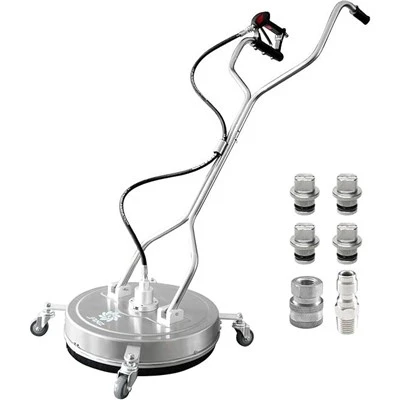
When you’re ready to upgrade your cleaning routine and get that pool deck sparkling, let’s chat. We can talk through all the options, answer any questions you have, and make sure you’re set up to do the job right. No pressure, no weird fine print, just honest advice from someone who cares about helping you get the best results for your backyard.
High Pressure Nozzle References:
- American Pressure Washing Association. (2022. Best Practices for Pressure Washing Residential Surfaces. APSA Publications.
- National Swimming Pool Foundation. (2021. Pool Deck Maintenance & Safety Guidelines. NSPF Technical Resources.
- Concrete Network. (2020. How to Pressure Wash Concrete Patios Without Damage. Concrete Industry Best Practices.
Zhejiang GTM Hi-Tech Intelligent Equipment Co., Ltd.
As one of the most professional high pressure washer manufacturers and suppliers in China, we also support customized service. With abundant experience, we warmly welcome you to buy discount high pressure washer for sale here from our factory. For price consultation, contact us.
Address: No.5 of Changjiang Road, 2nd Economic Development Zone of Wenling, Zhejiang, China
E-mail: yehuanting1@hongyemfg.com
WebSite: https://www.gtm-plungerpump.com/
