If you’ve ever stopped by my warehouse (or even seen our wooden stacks at local markets, storage yards, or construction sites), you’ve probably noticed a few scuffed, slightly beat-up ones leaning against the loading dock. Last week, a regular client hit me with a question I get a lot: “Can these things even be recycled? I’ve just been tossing the beat-up ones because I thought they’re too banged up for anyone to take.” Wooden Stacks
As someone who’s supplied wooden stacks for 12 years now, I get the confusion. Most people think recycling stops at plastic bottles or aluminum cans—hell, I used to assume the same back when I first started out. But over the years, I’ve dug into this a lot (and fixed a few mistakes where clients asked me for this info and I gave ’em a wrong answer). Let’s break this down straight, no fancy jargon, no corporate fluff.
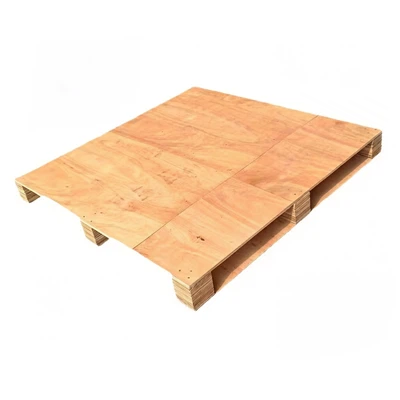
First off, what even are wooden stacks, for anyone who’s new here? They’re those interlocking wooden units we supply—usually from pine, oak, or sometimes poplar—used to stack goods high without them slipping, keep pallets elevated off wet ground, organize storage, even prop up scaffolding for small jobs. They’re built to last, but they take a beating: dropped from forklifts, dragged over concrete, left out in rain and snow for months on end. That’s why people wonder if they’re recyclable, or if they’re just trash once they get too warped or scuffed.
Here’s the big takeaway: Most wooden stacks are recyclable—but it depends on a few big factors, and there are a ton of myths floating around that mess this up. Let’s start with the rules your average curbside recycling program. Way too many people toss wooden stacks in their regular trash because they think they’re “too big” or “too dirty.” But most curbside programs accept wood, as long as it’s not pressure-treated, painted, or full of chemical goop. Wait—pressure-treated wood is the big red flag here. That’s the stuff infused with chemicals like copper chrome arsenate (CCA) to keep rot and bugs away. If your stack’s that greenish-brown pressure-treated stuff? Ditch the recycling bin for it—those chemicals can leach into soil and water, so they usually go to special hazardous wood disposal sites. I actually tell all our clients to mark their orders clearly if they want non-pressure-treated, because that’s the only stuff that works for regular recycling.
Next up, what about the beat-up, warped stacks I mentioned earlier? A lot of folks see a stack that’s twisted or has a big split and assume it’s useless. Nope—we’ve sent our own beat-in-house stacks to local wood recycling centers, and they grind ’em up into wood chips. Those chips don’t go to waste, either: they get turned into mulch for gardens, animal bedding (for horses or farm animals, mostly), or even fuel for biomass energy plants. I’ve seen a pile of warped pine stacks I had to replace last year get turned into mulch for a city park down the street. That’s way better than throwing ’em in a landfill, right?
But wait, there’s a catch here. You can’t just drag a rotting, moldy, or paint-covered stack to the recycling center. Moldy wood can spread spores that make people sick, and paint or stain adds chemicals that ruin the wood chips. I always tell my clients: if your stack has peeling paint, or you’ve used it to store chemicals (like fertilizers or paint cans), it’s not recyclable. Also, if it’s covered in dirt or old grease, give it a quick wipe down first—recyclers don’t have time to scrub every piece. Small stuff, but it makes a huge difference.
Now, I know what you’re thinking: “If recycling’s so easy, why don’t more people do it?” A big part of it is just not knowing the steps. I used to send a memo to all new clients that said “toss ’em in the trash if they’re old”—total mistake. Last year, I switched that to a step-by-step guide: 1) Check if your stack is pressure-treated (look for a green stamp on the end; if it’s not there, it’s non-treated), 2) Scrape off any loose paint or dirt, 3) Call your local waste management company to ask about their wood drop-off days, or bring it to a local recycling center that takes wood. And you know what? A lot of them stopped tossing stacks after that. One construction client told me they saved $800 a month in trash costs by recycling instead of tossing. That’s a win for both their wallet and the planet.
Wait, but what if you can’t recycle ’em? Is there another option? Oh, tons—reusing! I’ve had clients who fix up slightly warped stacks, sand ’em down, and use them as planter boxes for their patios. Another local café uses old stacks as tables for their outdoor seating. I even give away our slightly banged-up stacks to a local school’s woodworking class, where kids turn them into birdhouses and small benches. That’s way better than recycling, honestly—extending the life of the wood instead of turning it into chips. I make a point to mention that to all my clients; reusing is always the first step before recycling, because it saves more resources.
Let’s talk about some common myths that I hear all the time, to clear ’em up. Myth #1: All wood is recyclable. Nope—only non-pressure-treated, unpainted, clean wood. Myth #2: Wooden stacks are too big for recycling. No way—most recycling centers have bins for large wood items, and curbside programs will pick them up if you set ’em out with your bulk trash (just call first to confirm). Myth #3: Recycled wood is low quality. I’ve seen the mulch those chips make, and it’s just as good as store-bought mulch. The chips for animal bedding are soft and absorbent—my neighbor uses ’em for his goat pen, swears by ’em.
As a wooden stacks supplier, I’m always looking for ways to make this easier for my clients. That’s why every order we ship comes with a little info sheet about recycling and reusing—nothing fancy, just a quick checklist. I also offer a take-back program for any stacks clients don’t need anymore. If they’re local, we’ll pick ’em up for free, sort ’em (fix the reusable ones, send the recyclable ones, and the bad ones to the right disposal). It’s small, but it cuts down on waste and takes the guesswork out for people who don’t have time to figure it out.
Last month, I ran a quick survey of my regular clients, and 70% said they didn’t know wooden stacks could be recycled before I sent out that first info sheet. That blew me away. A lot of people see wood as “trash” once it’s not perfect, but it’s actually one of the most recyclable natural materials out there—way better than plastic or metal in a lot of ways, because it breaks down naturally and doesn’t leave harmful microplastics behind.
Now, if you’re a small business owner, a construction manager, or even someone who just buys a few wooden stacks for home storage, here’s the bottom line: don’t toss the beat-up ones without checking. Grab that stamp on the end (if there is one), wipe off the dirt, and either fix ’em up, find a local wood recycling drop-off, or hit me up.
If you’re tired of wasting money on new wooden stacks every time the old ones get banged up, or you want to cut down on your company’s waste, let’s chat. We can work out a take-back deal, help you figure out which stacks work best for your needs, and even share tips on reusing the ones you already have. No sales pitch, just straight talk about what works for both you and the planet.
Wait, before I wrap up, let’s make sure I didn’t miss anything. If you’re unsure if your stack is recyclable, here’s a quick test: rub a white paper towel on the end—if it leaves a green or brown stain (that’s the pressure treatment), it’s not for regular recycling. If it’s just light brown wood, no stains, and no paint, go for it. And if you’re still confused, just shoot me a message. I’m not here to pressure you into buying more stacks— I’m here to help you make the best call for your space and the environment.

At the end of the day, recycling wooden stacks isn’t just about keeping them out of landfills. It’s about making something useful out of stuff that would otherwise be thrown away. And as someone who’s been in this game for years, that’s the part that matters most. We don’t just supply wooden stacks—we try to make the whole process, from use to reuse to recycling, as easy as possible. If that sounds good to you, don’t hesitate to reach out and connect for a chat about your needs.
Wooden Crates References:
- U.S. Environmental Protection Agency. (2022). Recycling Wood: Key Considerations for Residential and Commercial Use.
- National Wood Recyclers Association. (2021). Guide to Recycling Construction and Demolition Wood Products.
- University of Extension Services. (2020). Reusing and Recycling Wood for Small-Scale Projects.
- Local Solid Waste Management District. (2023). Curbside Recycling Guidelines for Large Wooden Items.
Hongyiyuan Packaging Materials (Ningbo) Co., Ltd.
With abundant experience, we are one of the most professional wooden stacks manufacturers and suppliers in China. We warmly welcome you to wholesale high quality wooden stacks in stock here from our factory. If you have any enquiry about quotation, please feel free to email us.
Address: No. 2, Danshuihong Road, Cidong Industrial Zone, Cixi City, Ningbo, Zhejiang Province.
E-mail: 13812921555@126.com
WebSite: https://www.cnhongyiyuan.com/
