In the realm of brewing, achieving the perfect beer requires a meticulous blend of artistry and precision, with each step in the brewing process playing a vital role. At the heart of this intricate process lies a key piece of brewing auxiliary equipment: the beer transfer pump. As a leading supplier of brewing auxiliary equipment, I’ve witnessed firsthand the transformative impact these pumps have on the brewing industry. In this blog, I’ll delve into the multifaceted functions of beer transfer pumps and explore why they are indispensable tools for brewers worldwide. Brewing Auxiliary Equipment
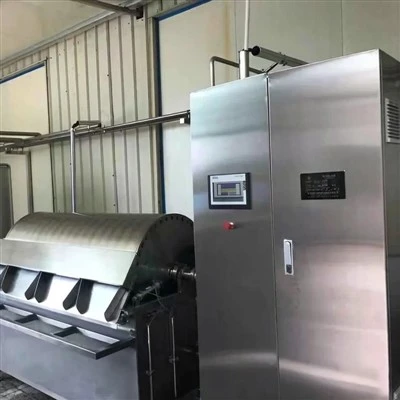
Liquid Transfer: The Core Function
The primary function of a beer transfer pump is, unsurprisingly, to transfer liquids within the brewing system. Whether it’s moving wort from the mash tun to the boil kettle, transferring beer from the fermenter to the bright tank, or filling kegs and bottles, these pumps provide the necessary force to move liquids efficiently and effectively. By automating the transfer process, beer transfer pumps eliminate the need for manual labor, reducing the risk of contamination and ensuring a consistent flow rate.
One of the key advantages of using a beer transfer pump for liquid transfer is its ability to handle a wide range of viscosities. From thin, watery wort to thick, viscous beer, these pumps are designed to move liquids of varying densities with ease. This versatility makes them suitable for use in a variety of brewing applications, from small-scale craft breweries to large commercial operations.
Maintaining Hygiene and Quality
In addition to facilitating liquid transfer, beer transfer pumps play a crucial role in maintaining hygiene and quality throughout the brewing process. Unlike manual transfer methods, which can introduce contaminants such as bacteria and oxygen into the beer, pumps are designed to minimize contact with the outside environment, reducing the risk of spoilage and off-flavors.
Many beer transfer pumps are constructed from food-grade materials such as stainless steel and FDA-approved plastics, ensuring that they are safe for use in contact with food and beverages. These materials are resistant to corrosion, easy to clean, and can withstand the high temperatures and pressures associated with the brewing process. Additionally, some pumps are equipped with features such as self-priming capabilities and sanitary fittings, which further enhance their hygiene and ease of use.
Controlling Flow Rate and Pressure
Another important function of beer transfer pumps is to control the flow rate and pressure of the liquid being transferred. By adjusting the speed and output of the pump, brewers can precisely control the rate at which the liquid moves through the system, ensuring that it is transferred at the optimal rate for each stage of the brewing process.
For example, during the mashing process, a slow, steady flow rate is required to ensure that the enzymes in the malt have sufficient time to break down the starches into sugars. Conversely, during the bottling or kegging process, a higher flow rate may be required to fill containers quickly and efficiently. By using a beer transfer pump with variable speed control, brewers can easily adjust the flow rate to meet the specific requirements of each stage of the brewing process.
In addition to controlling the flow rate, beer transfer pumps can also be used to control the pressure of the liquid being transferred. This is particularly important when transferring beer from one tank to another or when filling kegs and bottles, as excessive pressure can cause the beer to foam and overflow. By using a pump with a pressure relief valve or a variable speed control, brewers can ensure that the pressure remains within the safe operating range, preventing damage to the equipment and ensuring a consistent product quality.
Mixing and Agitation
In some brewing applications, beer transfer pumps can also be used for mixing and agitation. For example, during the fermentation process, it may be necessary to mix the yeast and the wort to ensure that the fermentation process proceeds evenly. By using a pump to circulate the liquid within the fermenter, brewers can create a gentle agitation that helps to distribute the yeast and nutrients throughout the wort, promoting a more efficient fermentation process.
Similarly, during the conditioning process, it may be necessary to agitate the beer to help clarify it and remove any sediment or impurities. By using a pump to circulate the beer through a filter or a centrifuge, brewers can effectively remove these unwanted particles, resulting in a clearer, more visually appealing beer.
Adding Ingredients
Beer transfer pumps can also be used to add ingredients to the brewing process. For example, some pumps are equipped with ports or injectors that allow brewers to add hops, spices, or other flavorings directly into the beer as it is being transferred. This can be a convenient way to introduce new flavors and aromas into the beer, without having to stop the brewing process or open the fermenter.
In addition to adding flavorings, beer transfer pumps can also be used to add enzymes, clarifiers, or other additives to the beer. These additives can help to improve the clarity, stability, and flavor of the beer, as well as to enhance the brewing process. By using a pump to add these ingredients, brewers can ensure that they are evenly distributed throughout the beer, resulting in a more consistent product quality.
Economic and Efficiency Benefits
When considering the overall brewing process, the economic and efficiency benefits that beer transfer pumps bring cannot be overlooked. By automating the liquid transfer process, these pumps significantly reduce the time and labor required for various brewing tasks. This means that brewers can focus their efforts on other important aspects of the brewing process, such as recipe development and quality control.
Furthermore, the ability to control the flow rate and pressure precisely can lead to less product waste. In a large-scale brewing operation, even a small improvement in efficiency can result in substantial cost savings over time. For instance, by ensuring that the right amount of beer is transferred during each stage of the process, brewers can avoid overfilling or underfilling containers, which can lead to product losses.
In addition to reducing waste, beer transfer pumps can also help to increase the overall throughput of a brewery. By enabling faster and more efficient liquid transfer, these pumps can allow breweries to produce more beer in less time, which can lead to increased revenue and profitability.
Conclusion
In conclusion, beer transfer pumps are indispensable tools in the brewing industry, offering a wide range of functions that are essential for the efficient and effective production of high-quality beer. From facilitating liquid transfer and maintaining hygiene to controlling flow rate and pressure, these pumps play a crucial role in every stage of the brewing process.
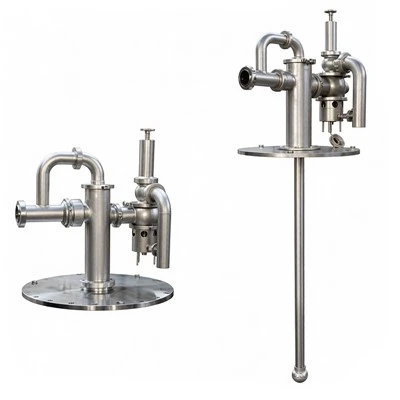
As a supplier of brewing auxiliary equipment, I understand the importance of providing brewers with reliable, high-quality pumps that meet their specific needs. That’s why I offer a comprehensive range of beer transfer pumps, including centrifugal pumps, positive displacement pumps, and diaphragm pumps, each designed to provide optimal performance and efficiency in a variety of brewing applications.
Craft Brewing Equipment If you’re a brewer looking to improve the efficiency and quality of your brewing process, I encourage you to consider investing in a beer transfer pump. Whether you’re a small-scale craft brewery or a large commercial operation, I’m confident that I can provide you with the right pump for your needs. Contact me today to learn more about our products and to discuss your specific requirements. I look forward to helping you take your brewing to the next level.
References
- Bamforth, C. W. (2003). Brewing: New Technologies. Springer.
- Fix, G., & Fix, L. (1999). An Analysis of Brewing Techniques. Brewers Publications.
- Lewis, M. J., & Young, T. W. (2001). Brewing. Kluwer Academic Publishers.
Wenzhou Jinggong Machinery Equipment Co., Ltd.
We are one of the most professional brewing auxiliary equipment manufacturers and suppliers in China. With abundant experience, we warmly welcome you to buy customized brewing auxiliary equipment at competitive price from our factory. If you have any enquiry about quotation, please feel free to email us.
Address: No.Jiadi Industrial Zone, Yaoxi Town, Longwan District, Wenzhou City, China.
E-mail: jinggong2026@163.com
WebSite: https://www.jg-ind.com/
