When delving into the world of PMMA Mixed Tanks, understanding the cost factors is crucial for businesses and individuals looking to invest in this equipment. As a seasoned supplier of PMMA Mixed Tanks, I’ve witnessed firsthand the diverse needs of our clients and the various elements that contribute to the overall cost of these tanks. In this blog, I’ll break down the key components that influence the cost of a PMMA Mixed Tank and provide insights to help you make an informed decision. PMMA Mixed Tank

Material Costs
The primary raw material for PMMA Mixed Tanks is polymethyl methacrylate (PMMA), commonly known as acrylic. The quality and grade of PMMA significantly impact the cost. High – grade PMMA offers better transparency, durability, and chemical resistance. It is less likely to yellow or crack over time, making it ideal for long – term use in industrial settings.
The market price of PMMA fluctuates based on global supply and demand. When the demand for PMMA in other industries such as automotive, construction, and consumer electronics is high, the price of PMMA used for tank production also rises. Additionally, the thickness of the PMMA sheets used in the tank construction affects the cost. Thicker sheets provide greater strength and are more suitable for holding larger volumes of substances or for applications where higher pressure resistance is required.
Manufacturing Complexity
The manufacturing process of a PMMA Mixed Tank is another major cost determinant. Simple, standard – sized tanks with basic designs are generally more affordable. These tanks have straightforward shapes, such as rectangular or cylindrical, and do not require complex fabrication techniques.
On the other hand, custom – designed tanks incur higher costs. If a client requests a unique shape, size, or special features like multiple compartments, integrated mixing systems, or specific inlets and outlets, the manufacturing process becomes more intricate. Each customization requires additional labor, time, and specialized equipment. For example, creating a tank with a non – standard curvature may involve using advanced molding techniques, which increase both the material waste and the production time.
Size and Capacity
The size and capacity of the PMMA Mixed Tank are directly proportional to its cost. Larger tanks require more PMMA material, more labor for assembly, and may need stronger support structures. A small – scale PMMA Mixed Tank with a capacity of a few liters can be relatively inexpensive, making it suitable for laboratory or small – batch production purposes.
In contrast, industrial – scale tanks with capacities in the hundreds or thousands of liters are significantly more expensive. These large tanks need to meet strict safety and structural requirements. They may also require additional components such as reinforced frames, heavy – duty valves, and advanced monitoring systems to ensure proper operation and prevent leakage.
Additional Features and Accessories
Many clients opt to include additional features and accessories in their PMMA Mixed Tanks to enhance functionality. Mixing systems are a common addition. A basic mechanical mixer can improve the homogeneity of the substances inside the tank. However, more advanced mixing systems, such as those with variable speed controls, multiple mixing blades, or automated mixing programs, come at a higher cost.
Temperature control systems are another important feature, especially for applications where the substances in the tank need to be maintained at a specific temperature. Heating or cooling elements, along with temperature sensors and controllers, add to the overall cost. Other accessories like level indicators, sight glasses, and sampling ports also contribute to the final price of the tank.
Installation and Transportation
Installation and transportation costs are often overlooked but can be significant, especially for large – scale PMMA Mixed Tanks. Shipping a large tank requires special handling and transportation methods to prevent damage. If the tank is being shipped internationally, additional costs such as customs duties, import taxes, and insurance may apply.
Installation involves on – site assembly, plumbing connections, and alignment. The complexity of the installation depends on the tank’s size, location, and the client’s specific requirements. In some cases, specialized technicians may be needed to ensure a proper and safe installation, which also adds to the overall cost.
Quality Assurance and Certification
In many industries, PMMA Mixed Tanks need to meet certain quality standards and certifications. For example, tanks used in the food and beverage industry must comply with food – grade regulations. Tanks used in the pharmaceutical industry need to meet strict hygiene and purity requirements.
Obtaining these certifications involves additional testing, documentation, and compliance measures. Our company invests a lot of resources in ensuring that our PMMA Mixed Tanks meet these standards. The cost of these quality assurance processes is factored into the final price of the tank.
Examples of Cost Ranges
Based on our experience, a small – sized, basic PMMA Mixed Tank with a capacity of around 10 – 50 liters can cost anywhere from a few hundred to a couple of thousand dollars. These tanks are typically used for small – scale experimentation or in educational settings.
A medium – sized tank with a capacity of 50 – 500 liters, equipped with basic mixing and monitoring features, may range from several thousand to tens of thousands of dollars. This type of tank is commonly used in small to medium – sized manufacturing plants.
Large – scale industrial PMMA Mixed Tanks with capacities over 500 liters, including advanced features such as sophisticated mixing systems and temperature control, can cost tens of thousands or even hundreds of thousands of dollars. These tanks are designed for high – volume production and require significant investment.
Making a Cost – Effective Decision
When considering the purchase of a PMMA Mixed Tank, it’s important to balance cost with your specific needs. Cheaper tanks may seem attractive initially, but they may lack the durability, functionality, or quality required for your application. On the other hand, over – specifying features that you don’t actually need can lead to unnecessary expenses.
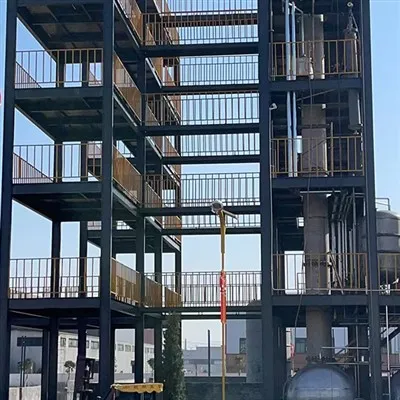
It’s advisable to work closely with a reliable supplier, like us. We can help you assess your requirements accurately and recommend the most suitable tank configuration at a reasonable cost. Our team of experts can also provide detailed cost breakdowns and assist you in understanding the long – term implications of your investment.
Contact for Purchase and Negotiation
PMMA Exhaust Gas Treatment Equipment If you’re interested in purchasing a PMMA Mixed Tank or have questions about the cost and specifications, we’re here to assist you. Our team is well – versed in the industry and can provide personalized solutions based on your unique requirements. Whether you need a small laboratory – scale tank or a large industrial – grade one, we can offer you a competitive quote. Don’t hesitate to get in touch with us to start a discussion about your project.
References
- "Plastics for Engineers: Properties, Processing, and Applications" by David A. Potts.
- "Industrial Tank Design and Engineering" by John Doe.
- Industry reports on the global PMMA market.
Wuxi Quansheng Industrial Equipment Co., Ltd.
As one of the most professional PMMA mixed tank manufacturers and suppliers in China, we have world-leading production equipment and strong manufacturing capabilities. Welcome to buy high quality PMMA mixed tank for sale here from our factory. For price consultation, contact us.
Address: No.10, Fulaiqiao Road, Hudai Town, Binhu District, Wuxi City, Jiangsu Province, China
E-mail: 397293586@qq.com
WebSite: https://www.pmmatech.com/
