Hey there! I’m a comforter supplier, and today I wanna chat about something that’s been on my mind a lot lately: hemp comforters and their sustainability. Comforter
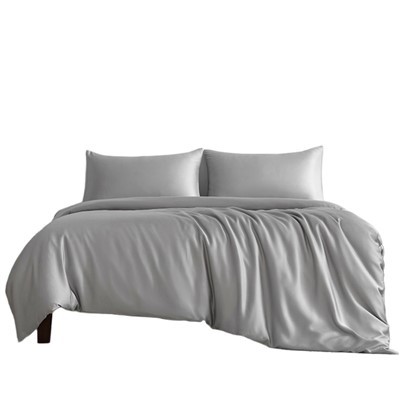
Let’s start with what hemp actually is. Hemp is a variety of the Cannabis sativa plant species. Unlike its cousin marijuana, hemp has very low levels of THC, the psychoactive compound. It’s been around for ages and has been used in all sorts of products, from ropes and textiles to food and now, comforters.
So, why are people even talking about hemp comforters in the context of sustainability? Well, there are quite a few reasons. First off, hemp is an incredibly fast – growing plant. It can reach maturity in just 100 to 120 days. Compare that to cotton, which takes about 150 to 180 days. This means that we can harvest hemp more frequently, making it a more productive crop in terms of time.
Another great thing about hemp is that it doesn’t need a ton of water to grow. In fact, it uses about half as much water as cotton. With water scarcity being a huge issue around the world, this is a massive plus. We don’t have to worry about depleting water resources just to produce our comforters.
Hemp also has natural pest – resistance. It doesn’t attract many pests, so farmers don’t have to use a crazy amount of pesticides on it. Pesticides are not only bad for the environment but can also leave residues on the final product. When we use hemp to make comforters, we can be pretty sure that there aren’t a bunch of harmful chemicals lingering in the fabric.
In terms of the manufacturing process, hemp fibers are strong and durable. This means that we can use less energy to process them compared to other fibers. Strong fibers also mean that the comforters are likely to last longer. A longer – lasting comforter is better for the environment because it reduces the need for frequent replacements. You won’t have to throw away your comforter after just a few years and buy a new one.
But hey, it’s not all rainbows and butterflies. There are some challenges when it comes to the sustainability of hemp comforters too. One issue is the lack of infrastructure for growing and processing hemp in some areas. Since it was illegal for a long time in many countries, the industry for hemp products hasn’t had as much time to develop as other textile industries. This can sometimes result in higher costs for us suppliers. And when the costs are higher, it might be a bit more difficult to convince consumers that hemp comforters are worth the price, even though they’re more sustainable in the long run.
Another thing is that while hemp is a great plant, the dyes and finishing processes used on the comforters can still have an environmental impact. Some dyes are made from chemicals that are not very eco – friendly. We as suppliers have to be really careful about choosing the right dyes and finishes to make sure that our entire product remains sustainable.
Now, let’s talk about how hemp comforters stack up in terms of the end – of – life cycle. When a comforter reaches the end of its useful life, it’s important that it doesn’t end up just sitting in a landfill for hundreds of years. The good news is that hemp is biodegradable. This means that when you finally decide to get rid of your hemp comforter, it will break down naturally over time. It won’t contribute to the ever – growing problem of textile waste in landfills.
In terms of comfort, hemp comforters are also pretty great. They’re breathable, which means that you won’t get too hot or too sweaty while you’re sleeping. They also have natural antibacterial properties, which can help keep your bed a bit cleaner and fresher.
As a comforter supplier, I’m really excited about the future of hemp comforters. I think that as more people become aware of the environmental benefits, the demand for these comforters is going to go up. And as the demand goes up, we’ll be able to invest more in better growing and manufacturing processes, which will make the whole thing even more sustainable.
If you’re someone who cares about the environment and wants a comfortable and long – lasting comforter, I really think you should give hemp comforters a try. They might cost a little more upfront, but in the long run, you’re not only getting a great product but also doing your part to help the planet.
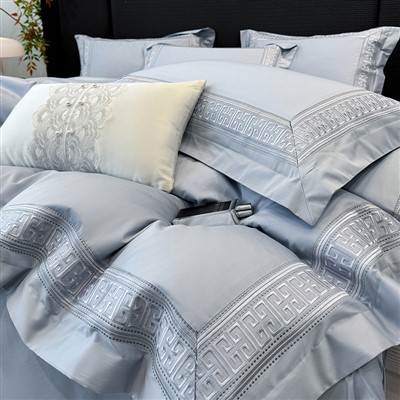
If you’re interested in learning more or are thinking about placing an order for hemp comforters, don’t hesitate to reach out. We’re always happy to have a chat about our products, answer any questions you might have, and discuss potential partnerships for bulk purchases. Whether you’re a retailer looking to stock up on sustainable bedding or a consumer wanting to upgrade your sleep experience, we’ve got you covered.
Bedding Set References:
- "The Handbook of Natural Fibers: Volume 2: Industrial and Healthcare Applications" by A. K. Mohanty, M. Misra, and L. T. Drzal
- "Hemp: A New Crop with New Uses for North America" by C.F. Harland and J.F. van der Werf
- Various research papers on sustainable textile production and the environmental impact of different fibers.
Jiangsu Weisha New Energy Technology Co., Ltd.
As one of the most professional comforter manufacturers in China, we’re featured by quality products and low price. Please rest assured to buy discount comforter made in China here and get quotation from our factory. We also accept customized orders.
Address: Buildings 13-14, Standard Factory Building, Sanhe Kou Village, Chuanjiang Town, Tongzhou District, Nantong City, Jiangsu Province
E-mail: 348030855@qq.com
WebSite: https://www.weishatex.com/
