As a supplier in the skincare packaging industry, I often encounter questions from clients about the suitability of UV-resistant materials for skincare product packaging. This topic is not only relevant to the quality and longevity of skincare products but also to the overall brand image and consumer experience. In this blog, I will delve into the reasons why using UV-resistant materials for skincare packaging is a wise choice, the types of UV-resistant materials available, and how they can benefit both skincare brands and consumers. Skincare Packaging

Why Use UV-Resistant Materials for Skincare Packaging?
Skincare products are often formulated with sensitive ingredients such as vitamins, antioxidants, and essential oils. These ingredients can be easily degraded by exposure to ultraviolet (UV) light, which can lead to a loss of efficacy, changes in color and texture, and even the formation of harmful by-products. By using UV-resistant materials for packaging, we can protect these valuable ingredients from the damaging effects of UV light and ensure that the skincare products remain stable and effective throughout their shelf life.
Moreover, UV-resistant packaging can also enhance the brand image of skincare products. Consumers are becoming increasingly aware of the importance of product quality and safety, and they are more likely to trust and purchase skincare products that are packaged in materials that provide adequate protection against UV light. By investing in UV-resistant packaging, skincare brands can demonstrate their commitment to quality and innovation, which can help to build brand loyalty and increase sales.
Types of UV-Resistant Materials for Skincare Packaging
There are several types of UV-resistant materials that can be used for skincare packaging, each with its own unique properties and advantages. Here are some of the most commonly used materials:
Glass
Glass is a popular choice for skincare packaging due to its excellent barrier properties and aesthetic appeal. It is impermeable to oxygen, moisture, and UV light, which makes it an ideal material for protecting sensitive skincare ingredients. Glass can also be easily recycled, which is an important consideration for environmentally conscious consumers. However, glass is relatively heavy and fragile, which can increase shipping costs and the risk of breakage during transportation.
Plastic
Plastic is another widely used material for skincare packaging. It is lightweight, durable, and cost-effective, which makes it a popular choice for mass-market skincare products. There are several types of plastic that can be used for UV-resistant packaging, including polyethylene terephthalate (PET), polypropylene (PP), and polyethylene (PE). These plastics can be formulated with UV stabilizers to provide protection against UV light. However, plastic is not as impermeable as glass, and it can release harmful chemicals over time, which can be a concern for some consumers.
Metal
Metal is a less common but highly effective material for skincare packaging. It is impermeable to oxygen, moisture, and UV light, which makes it an ideal material for protecting sensitive skincare ingredients. Metal can also be easily recycled, which is an important consideration for environmentally conscious consumers. However, metal is relatively heavy and expensive, which can increase the cost of packaging and the overall price of the skincare product.
Benefits of Using UV-Resistant Materials for Skincare Packaging
Using UV-resistant materials for skincare packaging offers several benefits for both skincare brands and consumers. Here are some of the key benefits:
Protection of Sensitive Ingredients
As mentioned earlier, UV-resistant materials can protect sensitive skincare ingredients from the damaging effects of UV light. This can help to preserve the efficacy, color, and texture of the skincare products, which can enhance the consumer experience and increase brand loyalty.
Extended Shelf Life
By protecting the skincare products from UV light, UV-resistant materials can extend the shelf life of the products. This can reduce the risk of product spoilage and waste, which can save money for both skincare brands and consumers.
Enhanced Brand Image
Investing in UV-resistant packaging can enhance the brand image of skincare products. Consumers are more likely to trust and purchase skincare products that are packaged in materials that provide adequate protection against UV light. This can help to build brand loyalty and increase sales.
Environmental Sustainability
Many UV-resistant materials, such as glass and metal, are recyclable, which makes them a more environmentally sustainable choice for skincare packaging. By using recyclable materials, skincare brands can reduce their environmental impact and appeal to environmentally conscious consumers.
Considerations When Using UV-Resistant Materials for Skincare Packaging
While using UV-resistant materials for skincare packaging offers many benefits, there are also some considerations that skincare brands need to keep in mind. Here are some of the key considerations:
Cost
UV-resistant materials can be more expensive than traditional packaging materials. Skincare brands need to weigh the cost of using UV-resistant materials against the benefits of protecting their products and enhancing their brand image.
Compatibility
Not all UV-resistant materials are compatible with all types of skincare products. Skincare brands need to ensure that the packaging materials they choose are compatible with the ingredients in their products to avoid any potential chemical reactions or degradation.
Design
UV-resistant materials can have different properties and characteristics than traditional packaging materials, which can affect the design and functionality of the packaging. Skincare brands need to work with a packaging supplier who has experience in designing and manufacturing UV-resistant packaging to ensure that the packaging meets their specific requirements.
Conclusion
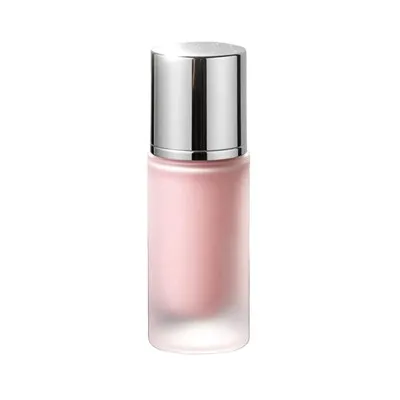
In conclusion, using UV-resistant materials for skincare packaging is a wise choice for skincare brands that want to protect their products, enhance their brand image, and appeal to environmentally conscious consumers. There are several types of UV-resistant materials available, each with its own unique properties and advantages. Skincare brands need to consider the cost, compatibility, and design of the packaging materials when choosing the right UV-resistant materials for their products.
Cosmetic Bottles As a skincare packaging supplier, I have extensive experience in designing and manufacturing UV-resistant packaging for a wide range of skincare products. I can help you choose the right UV-resistant materials for your products and ensure that the packaging meets your specific requirements. If you are interested in learning more about our UV-resistant packaging solutions, please contact me to discuss your needs and explore how we can work together to create high-quality, innovative skincare packaging.
References
- "UV Protection in Packaging: A Review of Current Technologies and Applications." Journal of Packaging Science and Technology.
- "The Impact of UV Light on Skincare Products: A Comprehensive Analysis." International Journal of Cosmetic Science.
- "Sustainable Packaging for Skincare Products: An Overview of Current Trends and Best Practices." Journal of Sustainable Packaging.
Shanghai Medellin Technology Co., Ltd.
As one of the most professional skincare packaging manufacturers and suppliers in China, we serve over 200 renowned cosmetic companies in Italy and France. Please rest assured to wholesale bulk high quality skincare packaging from our factory. Also, custom service is available.
Address: No. 298, Lianrong Building, Linping District, Hangzhou, Zhejiang, China
E-mail: sales@toppackaging.cn
WebSite: https://www.medellin-cn.com/
