If you’ve ever stood in a dental or medical office and watched a clinician work, chances are you’ve heard two very distinct sounds: that sharp, high-pitched whir that makes you flinch a little, or a lower, more muted hum that feels way less intense. For anyone new to the field, or even someone who’s been around a practice for years, mixing up high-speed and low-speed handpieces is super easy—especially since they look almost identical on the surface. As someone who’s been selling high-speed handpieces for a while now, I get asked all the time what the real differences are, beyond just the noise level. Let’s break this down like we’re chatting in a supply closet, no stuffy jargon allowed. High Speed Handpiece

First, let’s talk about the basics that most people skip: speed, duh. High-speed handpieces (that’s the ones I specialize in) run anywhere from 200,000 to 400,000 revolutions per minute (RPM)—sometimes even higher for specialty models. Low-speed? They max out at around 20,000 RPM, tops. That gap is massive, right? But why does that matter more than just how fast they spin? Let’s put it in perspective: if you’re trying to drill through hard tooth enamel, you need that insane RPM to shave away material without applying way too much pressure. Apply too much pressure with a slow-spinning tool, and you’re basically scraping at the tooth instead of cutting through it, which is way more uncomfortable for the patient.
Wait, that’s another big one—patient comfort. I’ve had new clinicians test a high-speed handpiece and go “whoa, that’s way less forceful than I thought” because they were used to low-speed for small, delicate jobs. High-speed tools cut through dense material so quickly that the clinician doesn’t have to push hard at all. Less pressure means less vibration in the patient’s mouth, which reduces that jittery, panicky feeling a lot of people get at the dentist. I remember a new grad who bought our entry-level high-speed a year ago and texted me saying she had a patient who’d avoided cleanings for 10 years because of pain, and the high-speed made their first cleaning in a decade totally pain-free. That’s the stuff that makes this job worth it.
Now, let’s get into what each one is actually used for, because that’s where the line gets extra clear. High-speed handpieces are for the tough jobs: removing decay from tooth enamel and dentin, preparing teeth for fillings, trimming crowns or veneers, and even some minor surgical procedures like small gum biopsies. You need that speed to make precise, clean cuts in hard material. Low-speed handpieces? They’re the fine-detail guys. Think polishing fillings, shaping soft dental material (like composite or impression putty), trimming dentures or partials, and doing small cleanings between tight teeth. Their slower RPM lets the clinician take way more time, make tiny adjustments, and avoid accidentally slipping and nicking gum tissue or healthy tooth structure. I always tell my clients: if you’re not cutting through hard enamel or dense restorative material, reach for the low-speed. If you are? Grab the high-speed. That’s the rule of thumb I swear by.
Next, the design differences that you might not notice right away, unless you’re holding both in your hand. High-speed handpieces have those tiny, high-torque turbines inside them—those are the parts that make them spin so fast. They’re way smaller and more precise than the gears in a low-speed, because they have to handle that massive RPM without breaking. That also means high-speed handpieces are usually lighter, right? Less heavy for the clinician to hold for long procedures. Low-speed ones have more gears to transfer power, so they’re a bit bulkier, which makes sense since they’re used for more meticulous, slower work where extra stability (not speed) is key.
Oh, and cooling! I can’t believe how many people forget this. High-speed handpieces generate a ton of heat when they spin that fast—like, enough to damage tooth pulp or gum tissue if it’s not cooled immediately. That’s why all high-speed models have built-in water sprays: a fine mist that hits the cutting site nonstop, flushing away debris and keeping the area cool. Low-speed handpieces don’t need that same cooling because they don’t generate nearly as much heat, though some specialty low-speed models do have tiny cooling features for surgical use. It’s such a small detail until you see a patient with pulp damage from a high-speed that skipped the water spray—then you realize how critical that is.
Wait, let’s address a common myth I hear all the time: “High-speed is always better, right?” No, not even close. I had a client last month who tried to use his high-speed to polish a new filling and ended up scratching the composite so bad he had to redo it. That’s exactly why matching the tool to the job is non-negotiable. High-speed is for hard, big cuts; low-speed is for fine, soft adjustments. Using the wrong one isn’t just inefficient—it can ruin a restoration or even hurt the patient.
Another thing: maintenance. High-speed handpieces require a little more TLC because those tiny turbines get worn out faster with all that spinning. You can’t just slam them into a sterilizer and call it a day—they need to be oiled regularly to keep the turbine running smoothly, which extends their lifespan. Low-speed handpieces are a lot more forgiving; they don’t need as frequent oiling, and their gears are sturdier, so they hold up better to regular use. I always make sure to include a quick oiling guide with every high-speed I sell, and I tell clients to come back anytime they have questions about upkeep—too many people skip that step and end up with a handpiece that dies after a month, which is a waste of money.
Now, let’s talk about cost, because that’s a big factor for small practices and new grads. High-speed handpieces tend to be pricier upfront, right? The precision turbine and cooling system add to the cost. But they’re also way more efficient—clinicians can finish procedures in half the time they would with low-speed, which means more patients seen in a day, more revenue for the practice. Low-speed is cheaper, obviously, but it’s not designed for heavy daily use in a busy office. I always help clients figure out which high-speed model fits their needs—we have entry-level ones for new grads just starting out, and premium ones for busy practices that want maximum durability. No one-size-fits-all, and I never push a model that’s too expensive for someone’s budget.
Let’s circle back to that sound I mentioned earlier. That high-pitched whir? That’s the high-speed cutting through enamel. It’s super loud, which is why a lot of clinics now play soft music for patients when using high-speed tools. The low-speed’s hum is way more mellow, so it doesn’t stress people out as much. That noise difference is a small tell, but it’s actually tied directly to their speed and design—high-speed turbines vibrate at a higher frequency when spinning fast, hence the whine.
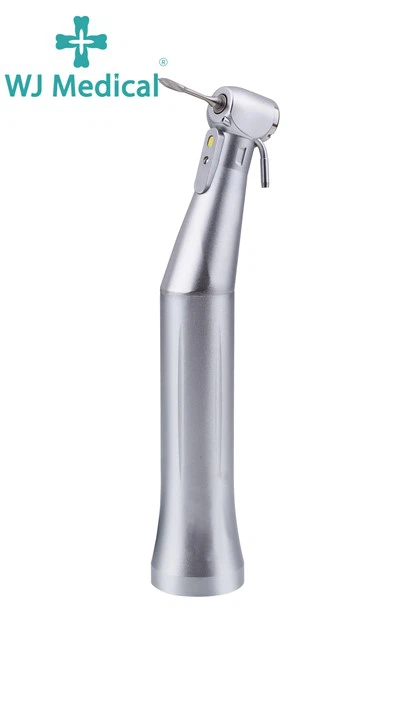
I get it, if you’re not in the field, this all sounds like “drill A vs drill B.” But for clinicians, picking the right handpiece isn’t a trivial choice. It affects patient comfort, the quality of the work, how fast they can see patients, and even how tired their hands get after a long day. As someone who’s been in this game (selling high-speed handpieces) for years, I’ve seen firsthand how a good high-speed can make a clinician’s job easier and patients happier.
Dental Unit At the end of the day, the core difference boils down to speed and purpose. High-speed = fast, for hard material cuts, high patient comfort, needs regular maintenance. Low-speed = slow, for fine detail work, less heat, more forgiving. You don’t need both for every job, but mixing them up will only lead to headaches. If you’re a clinician, a practice manager, or anyone who needs reliable handpieces for your work, I’ve got your back. I don’t do pushy sales talk—just straight answers, good products, and support when you need it. If you’re looking to upgrade your current tools, or just have questions about which high-speed or low-speed model fits your needs, reach out anytime to connect and chat through what works for you.
References
- American Dental Association. (2021). Dental Handpiece Safety and Performance Guidelines. American Dental Association Publishing.
- Burgess, R. C. (2019). Operational Principles of Dental Handpieces: A Practical Guide for Clinicians. Journal of Dental Technology, 36(4), 22-28.
- Occupational Safety and Health Administration. (2020). Infection Control in Dental Settings: Handpiece Maintenance and Sterilization. U.S. Department of Labor.
Foshan Wenjian Medical Instrument Co., Ltd.
Foshan Wenjian Medical Instrument Co., Ltd. is one of the most professional high speed handpiece manufacturers and suppliers in China, featured by supplying high quality medical devices. Welcome to wholesale high speed handpiece at competitive price from our factory. For more company information, contact us now.
Address: Workshop A, Sanyi Logistics, Shishan Town, Nanhai District, Foshan City, Guangdong Province, China
E-mail: Sales24@wenjian88.com
WebSite: https://www.chinaywjmed.com/
