Hey there, if you’re an aluminum buyer or someone in manufacturing who’s worked with the metal, you know surface treatments aren’t just a “nice-to-have”—they make or break how your finished part holds up, looks, and performs. As an aluminum supplier, I get hit with this question all the time: “What surface treatments work best for aluminum, and which ones should I actually use?” Today, I’m breaking this down like I chat with my regular customers—no jargon, no stuffy textbooks, just real talk from someone who’s seen every outcome of these treatments. Let’s dive in. Aluminum

First, why does aluminum even need a surface treatment? Hold on—aluminum’s actually a pretty tough metal on its own, right? Wait, yeah, but it forms that thin oxide layer naturally when it’s exposed to air. That layer stops corrosion… but it’s super thin (like 4 nanometers thin) and gets scratched off, or it can flake when you’re doing machining, welding, or finishing. Plus, if you’re using aluminum for things like outdoor parts, electronics casings, or automotive components, you might need it to resist rust, handle harsh chemicals, or look sharp, not just gray and plain. Surface treatments beef up that oxide layer, add color, make it easier to coat or bond with other materials, and extend the part’s life. I’ve seen a customer use raw aluminum for a patio rail project and have it rust through in two years—switched to anodized aluminum and it’s still going strong 10 years later. That’s the difference.
Let’s start with the most common one I hear about: anodizing. This is like the workhorse of aluminum surface treatments, and it’s not just “a coating”—it’s a process that grows a thicker oxide layer right on the aluminum’s surface, not something you apply on top. How does it work? You submerge the aluminum part in an acidic electrolyte (usually sulfuric acid), hook it up to an electrical current, and the current makes the aluminum’s surface oxidize way thicker than the natural layer—we’re talking 5 to 25 micrometers, depending on the type. That thick layer is way more corrosion-resistant, hard enough to resist scratches (like, harder than steel sometimes), and it’s porous, so you can dye it almost any color you want—black, blue, gold, even matte or metallic finishes. It’s non-toxic too, which is why it’s used a ton for food and beverage equipment, medical devices, and phone casings. The only downside? It can add some thickness to the part, so if you’re working with tight tolerances, you might need to account for that extra layer. I always tell my customers: if you need durability and color, anodizing is the go-to. We stock pre-anodized aluminum sheets and coils here, so if you’re in a rush, we’ve got that ready to ship.
Next up: powder coating. A lot of people mix this up with anodizing, but it’s totally different. Powder coating is a dry powder that you electrostatically spray onto the aluminum surface, then bake it in an oven so it melts and forms a smooth, hard finish. Why use it? It’s super versatile—you can get matte, glossy, textured, even simulated wood or stone finishes. It’s way more eco-friendly than wet paint because there’s no solvents, and almost all the powder you spray sticks (the overspray can be recycled). It’s also great for resistance to scratches, chips, and UV rays, so it’s perfect for outdoor furniture, architectural parts, and automotive trim. The catch here? It’s a topcoat, not part of the aluminum itself, so if it gets chipped deep, the aluminum underneath can corrode. Also, powder coating isn’t as good for very small or precise parts because the spray can get into tiny crevices unevenly. I’ve had a customer who makes custom outdoor gates swear by powder coating for their resistance to rain and sun—they get 5 years out of their powder-coated gates vs. 2 years with wet paint.
Then there’s painting. Wait, I know, powder coating is a type of painting, but I’m talking about wet spray paint here. It’s the old-school option, cheaper for small batches or parts that don’t need heavy durability. Wet paint is liquid, you spray it or brush it on, and it dries (not bakes, usually) on the surface. It’s way easier to touch up than powder coating or anodizing, which is why hobbyists or small manufacturers like it. But it’s less durable—can scratch or chip easier, and the solvents can be bad for the environment, plus you have to wait for it to dry fully before handling. I don’t push wet paint on big industrial projects, but if you’re prototyping a part and don’t want to shell out for anodizing, it’s a solid temp option.
Now, for people who need corrosion resistance in super harsh environments—like offshore oil rig parts or chemical processing equipment—there’s electroless nickel plating. This is a process where you submerge the aluminum part in a chemical solution that deposits a thin layer of nickel-phosphorus alloy on the surface, no electricity needed (that’s why it’s “electroless,” vs. regular nickel plating which uses electricity). The finish is super uniform—even on complex shapes or deep grooves, the nickel layer is the same thickness everywhere, which is a big plus. It’s also hard, corrosion-resistant, and can withstand high temperatures. The downside? It’s more expensive than anodizing or powder coating, and it’s not as good for color (it’s usually silver or a dull gray). I had an offshore customer who tried anodizing for their valve parts and it corroded within a year—switched to electroless nickel and it’s holding up for 5+ years now. Worth the extra cost for extreme use cases.
Wait, what about if you want something that’s easy to clean? That’s where chemical conversion coatings come in—things like chromate conversion coating (sometimes called “alodine” or “chemfilm”) or phosphate coating. These are thin, chemical treatments that react with the aluminum’s surface to form a protective layer, usually for prepping before painting or just basic corrosion resistance. Chromate coating is the most common here—it’s good for bonding with paint, and it adds a little corrosion resistance, but wait—there’s a catch with old chromate coatings: some use hexavalent chromium, which is toxic. Now, most people use trivalent chromate, which is less harmful and just as effective. Phosphate is another one, usually for steel, but it works on aluminum too, mostly for pre-paint prep. Conversion coatings are super cheap, quick to apply, and don’t add much thickness, so they’re great for parts that are going to get a topcoat anyway. I use conversion coating all the time for our raw aluminum stock that’s heading to a customer who wants to powder coat it later—saves them a step, and it protects the metal while it’s sitting in their warehouse.
Oh, and don’t forget about mechanical treatments? Wait, no, those are more for finishing, but sometimes people use things like polishing or brushing for a decorative look. Polishing aluminum makes it shiny, reflective—like mirrors for electronics or decorative trim. Brushing gives that linear, brushed metal look you see on laptop casings or kitchen appliances. These aren’t protective on their own, though—you still need a topcoat like anodizing or clear coat to keep the shine from fading or the surface from scratching. A lot of customers come to us wanting a brushed aluminum part, so we supply the brushed raw sheet, and they do the anodizing afterward to lock in that finish. That’s a combo that works really well.
Wait, let’s talk about which treatment is right for which job, because I know a lot of you get overwhelmed picking the right one. Let’s break it down quick:
- If you need durability, color, non-toxic: Go with Type II anodizing (the standard sulfuric one) or Type III hard anodizing for extra scratch resistance. Hard anodizing is thicker, like 25 micrometers, used for things like automotive pistons or aerospace parts.
- If you’re doing outdoor parts, furniture, architectural trim: Powder coating is your bet—UV-resistant, customizable, durable.
- If you need corrosion resistance for harsh environments: Electroless nickel plating, or hard anodizing if you can do without that nickel layer.
- If you’re prototyping, small batches, or prepping for paint: Conversion coating (trivalent chromate) is cheap and easy.
- If you want a decorative look (shiny or brushed): Polished/brushed aluminum, paired with a clear anodized coat to protect it.
Also, a quick tip from a supplier’s perspective: surface treatments depend a lot on your aluminum alloy too. Not all treatments work the same on every alloy. For example, some soft aluminum alloys (like 1100) anodize really well and take great color, while harder alloys (like 6061, which is super common for structural parts) are also good for anodizing but might need a slightly different process. I always ask customers to tell me their alloy before recommending a treatment, because if you pick the wrong one, you might get uneven results or the finish won’t hold. I’ve seen a customer use 7075 alloy (a high-strength aerospace alloy) with standard anodizing, and it came out splotchy—switched to a hard anodizing process for high-strength alloys, and it was perfect.
Wait, what about common mistakes people make? Let me share a few. One, skipping surface prep before the treatment. If your aluminum part has oil, grease, or machining residue on it, the treatment won’t stick right. I tell all my customers: clean your parts really well—degrease, remove any oxides—before you send them out for anodizing or powder coating. Two, choosing the cheapest option without considering the end use. A guy came to me a few years ago wanting aluminum for a marine part, and he tried the cheapest wet paint instead of anodizing. Within 6 months, the paint peeled and the aluminum corroded. He ended up redoing all the parts with anodizing, costing him way more in the long run. Three, not accounting for thickness. Anodizing adds thickness, so if you need a part that fits tight in a assembly, you have to leave room for that extra layer. I always mention that in my quotes, because I don’t want my customers to get stuck with parts that don’t fit.
As a supplier, I make it a point to work with my customers to pick the right surface treatment, not just sell them aluminum. I stock aluminum in all common alloys (1100, 6061, 7075) in sheets, coils, extrusions, and we can source pre-treated aluminum too—anodized, powder-coated, conversion-coated—if that’s what you need. Whether you’re a small fabricator making parts for a local business or a big manufacturer working on a new automotive line, I can help you navigate the surface treatment options so you don’t waste time or money on the wrong one.
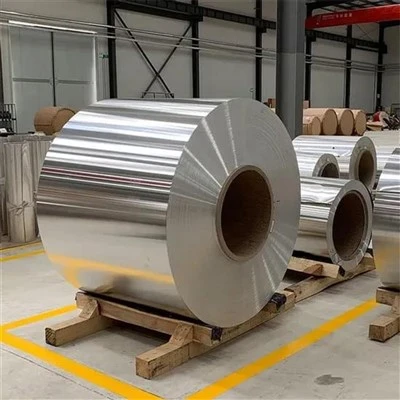
If you’re in need of aluminum, whether raw or pre-treated, for your next project, feel free to reach out to our team to chat through what will work best for you. We’re here to answer questions, share tips, and get you the right material at a fair price.
Stainless Steel References:
- ASM International. (2018). Surface Treatments for Aluminum Alloys. Materials Park, OH: ASM International.
- Tracton, A. A. (2017). Coatings Technology Handbook (3rd ed.). CRC Press.
- American Society for Testing and Materials (ASTM). (2020). Standard Guide for Surface Treatment of Aluminum and Aluminum Alloys (B680-20). ASTM International.
- Aluminium Association. (2019). Surface finishing of aluminum: A guide for specifiers and users. Washington, DC: The Aluminium Association.
Wuxi Jin Ming Jian De Industry & Trade Co., Ltd.
Wuxi Jin Ming Jian De Industry & Trade Co., Ltd. is one of the most professional aluminum manufacturers and suppliers in China, also supports customized service. With abundant experience, we warmly welcome you to wholesale CE approved aluminum in stock here from our factory. If you have any enquiry about quotation, please feel free to email us.
Address: 2102-2105, Yuexing Building, Guangnan Road, Liangxi District, Wuxi City, Jiangsu Province, China.
E-mail: info@wxjmjdss.com
WebSite: https://www.jmjdsteelexp.com/
