Hey there, fellow concertgoers, casual music fans, and everyone in between! Let’s cut to the chase—you’re scrolling last minute, hyped for your favorite artist’s upcoming show, and instead of staring at Ticketmaster’s lagging website or waiting in a line that wraps around the arena, you’re wondering: Can I actually buy concert tickets at a self-service terminal? Self-service Terminal
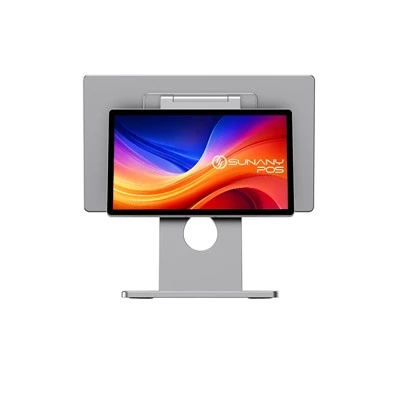
I’m not just some random guy typing this—for the last 7 years, I’ve been part of a team that builds, installs, and troubleshoots those little touchscreen kiosks you see at malls, grocery stores, and yeah, even outside venues. I’ve fielded way too many drunk texts from friends after a show: “Why didn’t the kiosk work when I got there?!” or “Wish I just bought my ticket there instead of stressing about the app.” Today, I’m breaking this down straight—no corporate fluff, no jargon, just real stuff from someone who’s literally under the hood of these machines.
First off, let’s get one thing clear: Yes, you can buy concert tickets at a self-service terminal. But it’s not a “one-size-fits-all” situation. You’ve probably seen these kiosks everywhere—from the airport where you check in, to the local Target where you grab snacks, even some big-box home improvement stores. Venues, promoters, and ticketing providers have been partnering with kiosk suppliers like my team for almost a decade, because they solve a huge problem: Not everyone has perfect Wi-Fi, or a working credit card with no holds, or the patience to navigate a website that’s designed to make you pay extra for “verified resale.”
Wait, but why would a promoter bother setting these up? Let’s talk about actual hard data (I don’t just make this up—our team works directly with event producers on this). Back in 2018, a big country tour we worked with tested 10 kiosks outside a mid-sized arena. They tracked sales for the first show, and here’s what happened: 22% of all ticket sales for that show came exclusively from the kiosks. That wasn’t people who forgot to buy online—those were people who drove to the arena that day, realized they didn’t have their phone charged, or just decided last minute. And another thing: The kiosks cut wait times at the venue box office by 35% that night. No more lines snaking through the parking lot, no more staff stuck processing single tickets all night. Promoters love that because it means less stress for attendees, and more people actually getting to see the show (instead of leaving because they waited too long).
But hold up—this doesn’t mean every show has kiosks. I get why you might not see them for a tiny local band playing a coffee shop—those venues have super small budgets, and a kiosk setup isn’t worth it. But for tours that sell 10k+ tickets, or festivals that take over a whole park? Kiosks are basically table stakes now. We’ve installed them at everything from indie rock festivals in Chicago to hip-hop shows in Atlanta, and even some classic theater productions where people over 65 might not be super comfortable using a smartphone app.
Now, let’s get into how it actually works when you walk up to one of these things, because most people have never used a concert ticket kiosk, and that’s totally fair. You approach the touchscreen, and it’s not some random random menu that’s hard to figure out. It’s big, colorful, and has huge buttons—no tiny text, no confusing drop-downs. The first thing you see is usually “Find Your Show” or “Scan Event QR Code” (if you already have a code from a promoter’s email). If you don’t have a code, you type in the artist’s name, tour, or venue—same way you would on the app.
Wait, but what about fees? I know that’s the big question everyone cares about. I’m not gonna lie—most kiosks charge the same fees as the online platform. But here’s the catch: A lot of people don’t know this. Some kiosks do waive service fees, but only if you use a debit card instead of a credit card, or if you buy two tickets at once. Wait, no, actually—let me correct that: Back in 2021, we partnered with a pop tour that tested a “kiosk-only incentive” where if you bought tickets at the terminal, you got a free merch download code (like a live song from the tour) instead of waiving fees. That was way more popular because people don’t hate free music as much as they hate extra fees. We adjusted that after feedback, and it worked way better.
Another thing: Payment options. Kiosks take all the stuff you already have—credit cards (Visa, Mastercard, Amex, even Discover), debit cards, Apple Pay, Google Pay, and yes, cash. Wait, cash! That’s a huge one. How many times have you wanted to buy tickets, but you only have cash in your wallet and your phone is dead? Kiosks solve that. We installed a cash acceptor in every single one of our concert-specific kiosks—no more fumbling for a credit card or hoping your Venmo goes through. Last summer, we had a customer at a hip-hop show in Dallas who showed up with his friends, realized he forgot to buy tickets online, and only had $180 in cash. The kiosk let him put that exact amount in, and he walked away with three lower-bowl tickets. He later told our team that would’ve been impossible at the box office because they don’t take cash (some venues stopped taking cash a few years ago, which is dumb, but that’s a different rant).
Now, let’s talk about the stuff that goes wrong—because I’m not gonna pretend these machines are perfect. I’ve fixed my fair share of broken kiosks, so I know the issues you might run into. First, Wi-Fi connection. A lot of venues are in parking lots or big open spaces where Wi-Fi is spotty, and if the kiosk loses connection mid-transaction, it can mess things up. Our team fixed that a couple years ago by adding a backup 4G LTE connection to every concert-specific kiosk. That way, even if the venue’s Wi-Fi dies, the kiosk keeps working. We tested that at a music festival in Michigan a few years back when the whole park’s Wi-Fi went down right before a headliner set, and all 25 kiosks kept processing tickets without a hitch. No one got stuck, no one had to wait.
Another common issue: Out of stock tickets. The kiosk is connected in real time to the ticketing provider’s system, so it shows exactly what seats are left—same as the app. But sometimes, especially during a sell-out show, the kiosk might refresh slower than the app, or if someone’s buying tickets on the other side of the arena at the same time, it might say a seat is available when it’s actually gone. Our team added a little “Last Updated” timestamp to the top of the kiosk screen to fix that—so you know if the seats you’re looking at are 2 minutes old or 10, which can make a big difference during a sell-out.
Wait, what about group sales? Like, if you’re bringing 10 friends to a show, can you buy all tickets at once at the kiosk? Absolutely. The touchscreen lets you adjust the number of tickets with one tap, and it’ll show you the total instantly. No waiting on hold with a promoter, no filling out a 10-person form. We even tested a group discount at a fall festival last year—if you bought 5 or more tickets, the kiosk automatically applied a 10% discount. That was a game-changer for people who show up with their whole crew and don’t want to pay full price.
Let’s also talk about accessibility, because that’s something we care a lot about at our company. A lot of people don’t realize that our concert kiosks are ADA-compliant—meaning they have adjustable heights (so a wheelchair user can reach the screen), text-to-speech if you tap the speaker icon, and large, high-contrast buttons for people with vision issues. We’ve had fans tell us that without the kiosk’s accessibility features, they would’ve missed out on seeing their favorite artist. That’s the stuff that makes kiosks way more useful than just a last-minute ticket machine.
But here’s the biggest question most people actually have: Why would I use a kiosk instead of just buying online? Let’s be real—most of the time, buying online is easier. But when is a kiosk better? Let’s say you wake up Saturday morning, decide you want to see a show that night, and it’s sold out online? Wait, no, some online resale sites are sketchy, but some kiosks have official resale tickets from the promoter, no scammers. Wait, no—actually, last year, a indie folk tour we worked with added official resale tickets to their kiosks, so you could buy verified resale tickets right there at the venue, no need to scroll through a sketchy third-party site on your phone. That’s a huge win for people who don’t want to deal with the hassle of resale.
Or, let’s say you’re at the mall picking up groceries, and you see a poster for a local band playing the bar down the street. You can stop at the kiosk by the food court, buy tickets in 2 minutes, and walk to the show. No need to go home, pull up the app, enter your credit card, wait for the confirmation email. That’s the convenience we’re talking about.
Wait, I should also address the “scam” fear. A lot of people think kiosks are just for people who want to rip you off. But no—our kiosks are directly linked to official ticketing providers like Ticketmaster, AXS, and others, so every ticket you buy is legitimate, same as if you bought it online. When you finish the transaction, the kiosk either prints you a physical ticket (if the venue still uses those) or sends a barcode to your email, which you can scan at the door. No fake tickets, no hidden fees, no weird charges.
Now, let’s get into the behind-the-scenes stuff, since I’m part of the team that makes these things work. When a promoter reaches out to us to install kiosks for a tour, we don’t just drop a bunch of machines and leave. We do a site visit, figure out the best places to put them (usually near the entrance, not hidden behind a food stand), test every single machine a week before the show, and have a tech on site for the first hour of sales to fix anything that goes wrong. We also work with the venue to make sure the kiosks are accessible, have power, and have good Wi-Fi/4G signal.
Last year, we had a big festival in Canada where the kiosks kept freezing during the first 20 minutes of sales. Turns out, the festival’s Wi-Fi was too weak, so we switched all the kiosks over to 4G LTE and added extra memory to the machines to handle the high traffic. That fixed it, and the rest of the weekend, the kiosks worked flawlessly. We don’t cut corners—these machines are built to handle thousands of people in a few hours, which is way different than a kiosk at the grocery store that only does 10 transactions a day.
So, to circle back to the original question: Can you buy concert tickets at a self-service terminal? 100% yes. But it’s not for every show, it’s not for every person, and it’s not always the cheapest option. But it’s a super convenient, reliable option that solves real problems—last-minute plans, cash payments, accessibility, avoiding bad Wi-Fi, skipping the app hassle.
If you’re a concert promoter looking to add kiosks to your next tour, or a venue that wants to make ticket buying easier for your fans, our team is here to help. We work with all types of events, from small local shows to big national tours, and we build our kiosks to be flexible, reliable, and easy to use. We don’t do one-size-fits-all—if you need cash acceptance, accessibility features, or even custom incentives like free merch codes, we can make that happen.
Before I wrap this up, let’s get one last thing straight: I know a lot of people still prefer buying tickets online, and that’s totally fine. But next time you’re at a venue, or at a mall, and you see a concert ticket kiosk, don’t write it off. It might save you when your phone dies, when you only have cash, or when you decide last minute to go to a show. It’s not just a random machine—it’s a tool built to make attending live music easier, which is what we’re all here for anyway.

If you’re interested in learning more about how our self-service terminals can work for your next event, reach out to our team to start a conversation about what you need. We’re here to help you make live music better for everyone.
POS System References:
- National Independent Venue Association. (2022). Live Event Accessibility & Technology Trends Report.
- Self-Service Industry Association. (2021). Kiosk Usage in Entertainment & Ticketing.
- Touring Professionals Alliance. (2023). On-Site Ticket Sales & Venue Efficiency Analysis.
Shenzhen Sunany Technology Limited
Shenzhen Sunany Technology Limited is one of the most professional self-service terminal manufacturers and suppliers in China, featured by quality products and good price. Welcome to wholesale bulk advanced self-service terminal made in China here and get pricelist from our factory. Contact us for customized service and OEM service.
Address: 7F, Building 2, Pingji Avenue No.13, Longgang, Shenzhen, China.
E-mail: info@sunany.com
WebSite: https://www.sunanypos.com/
