Hey there! As a supplier of dental titanium blocks, I often get asked about the proper storage conditions for these products. In this blog post, I’m gonna share with you all the important details about storing dental titanium blocks to ensure their quality and performance. Dental Titanium Blocks
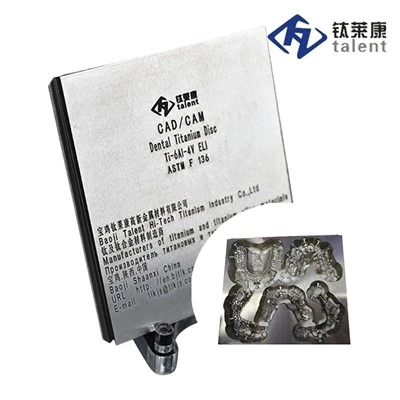
Let’s first talk about why the right storage conditions matter. Dental titanium blocks are used in creating high – precision dental implants and restorations. The quality of these blocks can be affected by environmental factors during storage. If they’re not stored correctly, it might lead to issues like surface oxidation, contamination, or even changes in the block’s physical properties. And trust me, nobody wants to use a compromised dental titanium block for a patient’s oral healthcare!
Temperature
One of the most crucial factors in storing dental titanium blocks is temperature. Titanium is a relatively stable metal, but extreme temperatures can still have an impact.
Room Temperature is Ideal
We generally recommend storing dental titanium blocks at room temperature. A temperature range between 20°C – 25°C (68°F – 77°F) is perfect. This range helps maintain the block’s internal structure and prevents any thermal stress that could occur with rapid temperature changes.
Avoid Extreme Cold
Exposing the blocks to extremely cold temperatures can cause the metal to become brittle. For example, if you store them in a freezer by mistake, the low temperature might lead to micro – cracks forming within the block. These micro – cracks can weaken the block and make it less suitable for dental applications.
Stay Away from Heat
On the other hand, high heat is also a no – no. Temperatures above 40°C (104°F) can speed up the oxidation process of titanium. Oxidation can create a layer on the surface of the block, which may affect its machinability and the final quality of the dental product. So, keep them away from direct sunlight, heaters, or any other heat sources.
Humidity
Humidity is another key aspect of proper storage.
Low Humidity is Best
Dental titanium blocks should be stored in a low – humidity environment. A relative humidity level of around 30% – 50% is ideal. High humidity can cause moisture to condense on the surface of the blocks. This moisture can react with titanium over time, leading to corrosion. Corroded titanium blocks are not only aesthetically unappealing but also have reduced mechanical properties, which can be a big problem in dental applications.
Use Desiccants
To maintain low humidity, you can use desiccants in the storage area. Silica gel packets are a common and effective option. Just place a few packets in the storage container or cabinet where the dental titanium blocks are kept. They’ll absorb any excess moisture and help keep the environment dry.
Storage Containers
The type of container you use to store dental titanium blocks also plays a significant role.
Sealed Containers
It’s essential to use sealed containers. Sealed containers protect the blocks from dust, dirt, and other contaminants in the air. You can use plastic or metal containers with tight – fitting lids. Make sure the container is clean before you put the blocks inside.
Separate Storage
If you have different sizes or grades of dental titanium blocks, it’s a good idea to store them separately. This makes it easier to find the right block when you need it and also reduces the risk of damage during handling. You can use dividers inside the container or label different compartments.
Protection from Physical Damage
Dental titanium blocks need to be protected from physical damage.
Soft Padding
When storing the blocks, use soft padding to prevent scratches and dents. You can line the storage container with foam or felt. This will cushion the blocks and protect them during any minor bumps or movements.
Proper Stacking
If you’re stacking multiple blocks, do it carefully. Don’t stack them too high, as this can cause the bottom blocks to bear too much weight and potentially get damaged. Also, make sure the blocks are stacked evenly to avoid any uneven pressure.
Handling During Storage
How you handle the dental titanium blocks during storage is also important.
Clean Hands
Before touching the blocks, always make sure your hands are clean. Oils, dirt, and bacteria from your hands can transfer to the blocks and contaminate them. You can wear clean gloves if possible.
Avoid Rough Handling
Handle the blocks gently. Don’t drop them or hit them against hard surfaces. Even a small impact can cause damage to the block’s surface, which might affect its performance.
Regular Inspections
It’s a good practice to conduct regular inspections of the stored dental titanium blocks.
Visual Checks
Do a visual check of the blocks every few months. Look for any signs of oxidation, corrosion, scratches, or other damage. If you notice any issues, take appropriate action. For example, if a block has minor surface oxidation, you might be able to clean it, but if the damage is severe, it might need to be discarded.
Documentation
Keep a record of the inspection results. This will help you track the condition of the blocks over time and identify any patterns or potential problems.
Impact of Incorrect Storage on Product Quality
Let’s take a closer look at what can happen if dental titanium blocks are not stored correctly.
Oxidation and Corrosion
As I mentioned earlier, exposure to high humidity or extreme temperatures can lead to oxidation and corrosion. Oxidation can cause a discoloration of the block’s surface, and in severe cases, corrosion can eat away at the metal. This not only affects the appearance but also the mechanical properties of the block, such as its strength and durability.
Surface Contamination
Contamination from dust, dirt, or oils can make it difficult to machine the dental titanium blocks. It can also affect the bonding of the block with other dental materials during the manufacturing process of dental implants or restorations.
Structural Changes
Extreme temperature changes can cause structural changes in the titanium blocks. These changes can lead to uneven stress distribution within the block, which may result in cracks or fractures during machining or use.
Conclusion
In conclusion, proper storage of dental titanium blocks is crucial for maintaining their quality and performance. By keeping the blocks at the right temperature, controlling humidity, using suitable storage containers, protecting them from physical damage, handling them carefully, and conducting regular inspections, you can ensure that the dental titanium blocks remain in top – notch condition.
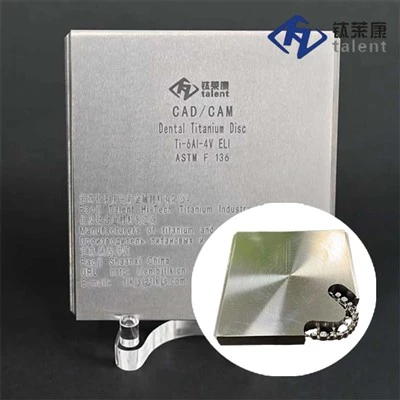
If you’re in the dental industry and looking for high – quality dental titanium blocks, I’d love to talk to you. Whether you’re a dental lab, a dentist, or involved in dental manufacturing, we have the products you need. We take great care in ensuring the quality of our dental titanium blocks from production to storage. Reach out to us to discuss your requirements and let’s start a great business relationship.
Titanium Plates References
- "Materials Science for Dentistry" by J. M. Powers and J. W. Wataha
- "Dental Materials: Properties and Manipulation" by Craig R. W.
Baoji Tailaikang High-Tech Metal Materials Co., Ltd.
With abundant experience, we are one of the most professional dental titanium blocks manufacturers and suppliers in China. Please feel free to buy dental titanium blocks for sale here and get pricelist from our factory. For price consultation, contact us.
Address: No. 1, Southeast Cross of Gaoxin Avenue and Fenghuang 3rd Road, High-tech Development Zone, Baoji City, Shaanxi Province, China
E-mail: sale@tlkjs.com
WebSite: https://www.tlkmetal.com/
