In the field of electrochemistry, the cathode plays a crucial role in various battery and electrochemical cell applications. A cladding bar for the cathode is an essential component that can significantly impact the performance and efficiency of the cathode. As a supplier of cladding bars for cathodes, I have witnessed firsthand the importance of optimizing their use. In this blog, I will share some insights on how to optimize the use of a cladding bar for the cathode. Cladding Bar for Cathode
Understanding the Basics of Cladding Bars for Cathodes
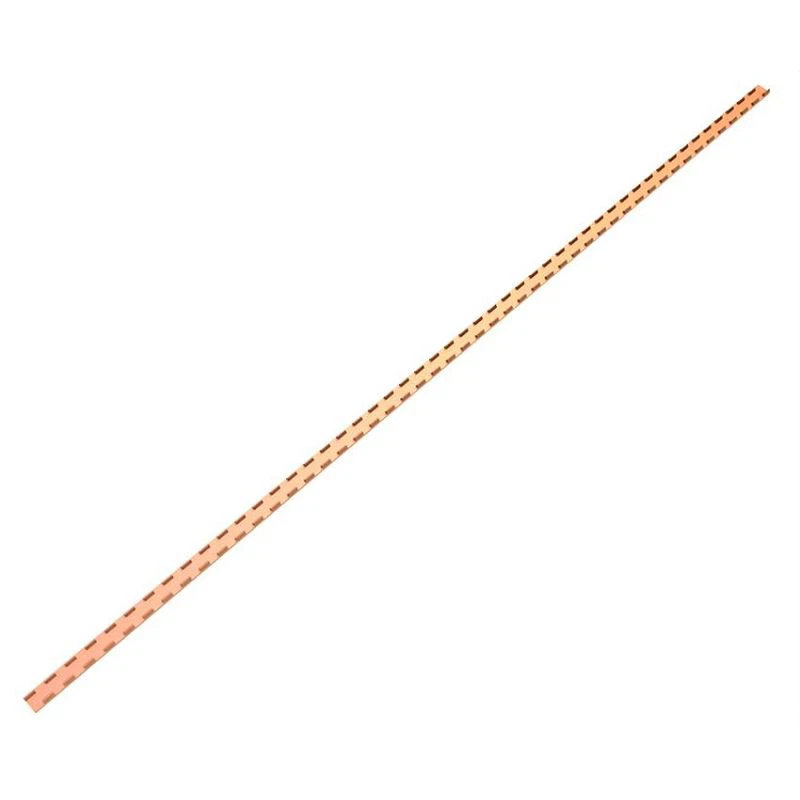
Before delving into optimization strategies, it is essential to understand what a cladding bar for the cathode is and its function. A cladding bar is typically a metal or alloy bar that is used to enhance the properties of the cathode. It can provide a protective layer, improve conductivity, or enhance the cathode’s overall stability.
The choice of the cladding material depends on several factors, including the specific application, the electrolyte used, and the operating conditions. Common materials for cladding bars include stainless steel, titanium, and various alloys. Each material has its unique properties, such as corrosion resistance, electrical conductivity, and mechanical strength.
Selecting the Right Cladding Material
The first step in optimizing the use of a cladding bar is selecting the right material. The selection process should be based on a thorough understanding of the cathode’s requirements and the operating environment.
- Corrosion Resistance: In many electrochemical applications, the cathode is exposed to corrosive electrolytes. Therefore, the cladding material should have excellent corrosion resistance to prevent degradation and maintain the cathode’s performance over time. For example, in lithium – ion batteries, where the electrolyte can be highly reactive, stainless steel or titanium cladding bars are often used due to their high corrosion resistance.
- Electrical Conductivity: The cladding material should have good electrical conductivity to ensure efficient charge transfer between the cathode and the electrolyte. Metals like copper and aluminum are known for their high electrical conductivity and can be used as cladding materials when conductivity is a critical factor.
- Mechanical Strength: The cladding bar should be able to withstand mechanical stress and vibrations during the operation of the electrochemical cell. Materials with high mechanical strength, such as certain alloys, can provide the necessary durability and prevent physical damage to the cladding and the cathode.
Surface Preparation of the Cladding Bar
Proper surface preparation of the cladding bar is crucial for optimizing its performance. A clean and well – prepared surface ensures good adhesion between the cladding and the cathode material, as well as efficient electrochemical reactions.
- Cleaning: The cladding bar should be thoroughly cleaned to remove any contaminants, such as oils, greases, and oxides. This can be achieved through various cleaning methods, including solvent cleaning, alkaline cleaning, and acid pickling. For example, in a stainless – steel cladding bar, acid pickling can be used to remove the oxide layer and expose a clean metal surface.
- Surface Roughness: Controlling the surface roughness of the cladding bar can also improve its performance. A slightly rough surface can increase the surface area available for electrochemical reactions, enhancing the cathode’s efficiency. Surface finishing techniques, such as sandblasting or etching, can be used to achieve the desired surface roughness.
Optimizing the Cladding Thickness
The thickness of the cladding bar is another important factor that can affect the cathode’s performance. The optimal cladding thickness depends on several factors, including the type of cladding material, the cathode material, and the specific application.
- Thin Cladding: A thin cladding layer can reduce the overall cost of the cathode and minimize the weight of the electrochemical cell. It can also improve the cathode’s electrochemical performance by reducing the resistance to charge transfer. However, thin cladding may be more susceptible to corrosion and wear, especially in harsh operating environments.
- Thick Cladding: A thick cladding layer provides better protection against corrosion and mechanical damage. It can also enhance the mechanical stability of the cathode. However, thick cladding may increase the resistance to charge transfer and the cost of the cathode. Therefore, a balance needs to be struck between the thickness of the cladding and its performance requirements.
Integration with the Cathode
Proper integration of the cladding bar with the cathode is essential for achieving optimal performance. The cladding bar should be firmly attached to the cathode to ensure good electrical contact and mechanical stability.
- Bonding Methods: Various bonding methods can be used to attach the cladding bar to the cathode, including welding, brazing, and adhesive bonding. The choice of bonding method depends on the materials involved, the operating conditions, and the specific requirements of the application. For example, welding is a common method for joining metal cladding bars to metal cathodes, as it provides a strong and durable bond.
- Electrical Contact: Ensuring good electrical contact between the cladding bar and the cathode is crucial for efficient charge transfer. This can be achieved by proper surface preparation, using conductive adhesives, or applying pressure during the bonding process.
Monitoring and Maintenance
Once the cladding bar is installed and the electrochemical cell is in operation, it is important to monitor its performance and carry out regular maintenance.
- Performance Monitoring: Monitoring the performance of the cathode and the cladding bar can help detect any issues early and take corrective actions. Parameters such as voltage, current, and capacitance can be monitored to assess the cathode’s performance. Any significant changes in these parameters may indicate a problem with the cladding bar, such as corrosion or delamination.
- Maintenance Procedures: Regular maintenance procedures, such as cleaning and inspection, can help extend the lifespan of the cladding bar and the cathode. Cleaning the cladding bar can remove any deposits or contaminants that may affect its performance. Inspection can detect any signs of damage or wear, allowing for timely repairs or replacement.
Conclusion

Optimizing the use of a cladding bar for the cathode is a complex process that requires a comprehensive understanding of the cathode’s requirements, the properties of the cladding material, and the operating environment. By selecting the right cladding material, preparing the surface properly, optimizing the cladding thickness, integrating it effectively with the cathode, and carrying out regular monitoring and maintenance, the performance and lifespan of the cathode can be significantly improved.
PPO Insulating Edge Strips If you are interested in learning more about our cladding bars for cathodes or would like to discuss your specific requirements, please feel free to contact us for a procurement discussion. We are committed to providing high – quality products and professional solutions to meet your needs.
References
- Bard, A. J., & Faulkner, L. R. (2001). Electrochemical Methods: Fundamentals and Applications. John Wiley & Sons.
- Conway, B. E. (1999). Electrochemical Supercapacitors: Scientific Fundamentals and Technological Applications. Kluwer Academic/Plenum Publishers.
- Sharma, A., & McCulloch, R. (2019). Handbook of Corrosion Engineering. Elsevier.
AATI Cathode Co., Ltd.
AATI Cathode Co., Ltd. is one of the leading cladding bar for cathode manufacturers and suppliers in China. We warmly welcome you to buy high-grade cladding bar for cathode made in China here from our factory. All customized products are with high quality and competitive price. Contact us for free sample.
Address: NO. 1, ZHENXING ROAD, BAOJI CITY, SHAANXI, CHINA
E-mail: ivy@bjaati.com
WebSite: https://www.bjcathode.com/
